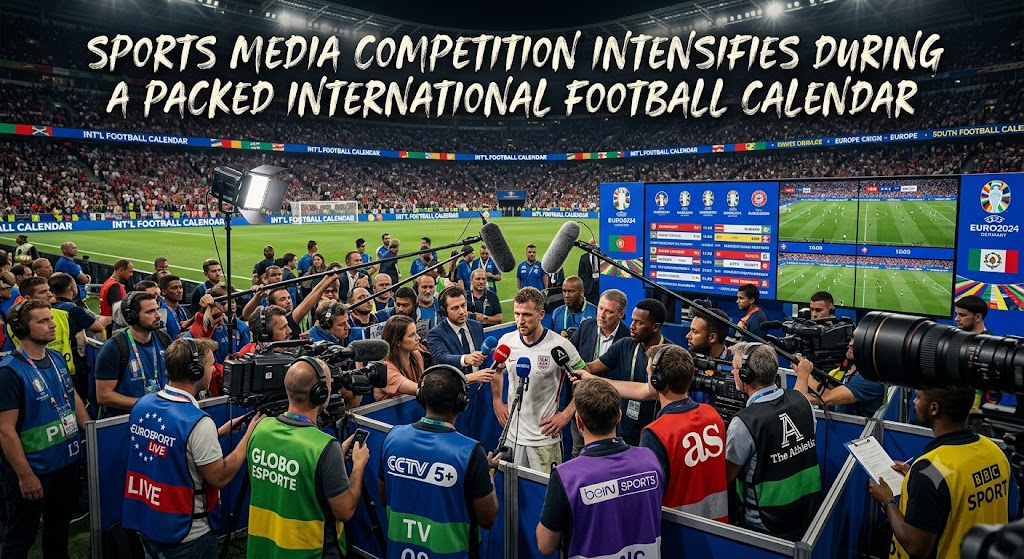
Sports Media Competition Intensifies During a Packed International Football Calendar
Published on: Jun 18, 2026
The Digital Battleground for Global Football Audiences
The traditional architecture of linear sports broadcasting is facing its toughest test yet as an overwhelming surge of international matches dominates the global calendar. Fans are no longer relying on a single television network to follow multi-nation events; they are curating their own hyper-personalized media diets through social video clips, real-time data feeds, and specialized audio streams. This shift has forced major networks to rapidly re-engineer their distribution models to ensure they do not lose millions of mobile-first viewers to fast-moving digital alternatives that cater to shorter attention spans.
Navigating Chaos with Decentralized Media Directories
With major broadcast rights split across a tangled web of paywalled apps and region-locked networks, discovering where to watch live events has become a massive hurdle for fans. This environment of fragmented access is why independent discovery networks and community-driven directories like Footybite have seen a massive resurgence in traffic and search visibility. By acting as centralized dashboards that cleanly aggregate international match schedules, alternative broadcast outlets, and real-time textual updates, these third-party platforms give audiences an easy way to bypass corporate media friction and find immediate coverage of their favorite national teams.
Unprecedented Traffic Spikes Amid World Cup Drama
The intensity of the current media race is being explicitly fueled by the jaw-dropping narratives emerging from the 2026 FIFA World Cup group stage fixtures across North America. Digital traffic reached fever pitch following a historic night of action where England dismantled Croatia in a thrilling 4-2 masterclass, and Ghana broke Panamanian hearts with a dramatic 95th-minute winner from Caleb Yirenkyi in Toronto. Meanwhile, Portugal’s unexpected 1-1 stalemate against a highly resilient DR Congo squad in Houston generated massive engagement across social platforms, demonstrating that unpredictable tournament results translate directly into massive financial windfalls for agile digital publishers.
Tech Infrastructure Evolves to Handle the Load
As the international football calendar keeps pushing simultaneous match line-ups to the absolute limit, media corporations are realizing that content alone is no longer enough to secure long-term loyalty. The platforms winning the competition are those investing heavily in back-end cloud architectures that can eliminate stream latency and smoothly support interactive second-screen ecosystems like live polling and in-play statistics. Moving forward, the sports media companies that successfully survive this highly competitive era will be the ones that view live sports not as a passive broadcast, but as an active, tech-driven community experience.