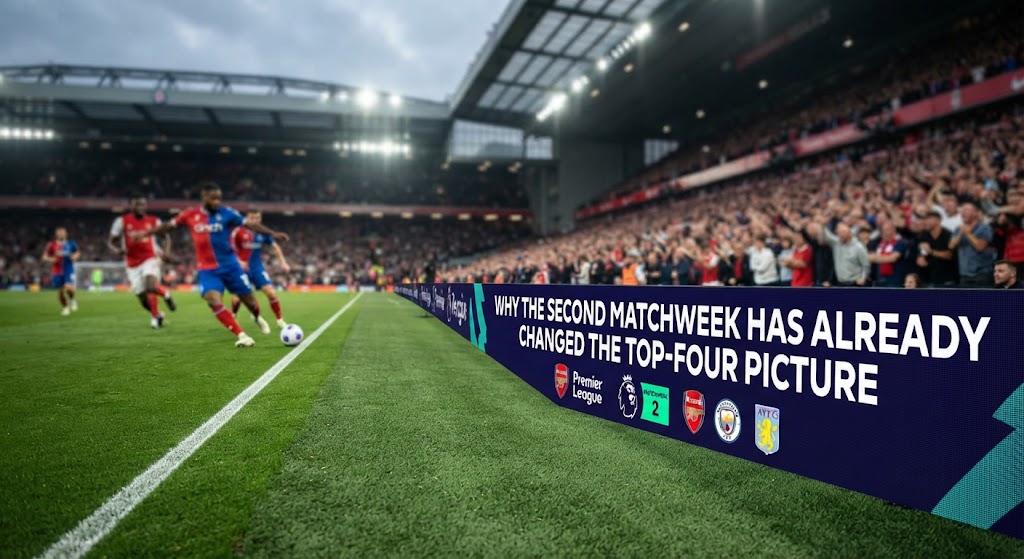
Why the Second Matchweek Has Already Changed the Top-Four Picture
Published on: Aug 31, 2026
The Premier League calendar is designed to test depth, stamina, and tactical resilience before the autumn leaves even begin to fall, but the second matchweek of the 2026/27 campaign has accelerated that pressure beyond all expectations. Early table-topping indicators are traditionally treated with cautious skepticism, yet the sheer volume of high-scoring thrillers and tactical statements over the weekend has violently reshaped the conversation around the top-four race. While traditional heavyweights search for rhythm, opportunistic challengers and revitalized squads have capitalized on the early-season turbulence. Consequently, the traditional hierarchy is being forced to look over its shoulder as the early pacesetters carve out a psychological advantage.
Tactical Shifts and the Footybite Perspective on Early Frontrunners
According to comprehensive tactical breakdowns highlighted by Footybite, tracking metrics indicate that the early success of clubs like Hull City and Brentford stems from ruthless transition efficiency and high-block discipline. The numbers show that while established contenders are still integrating late-window arrivals and managing heavy legs, these nimble sides are maximizing every single possession to surge into the European qualification spots. Recent news from across the division underscores how tactical evolution under modern managers is closing the competitive gap, allowing fluid, high-tempo setups to exploit structural vulnerabilities in traditional top-four mainstays. Analysts tracking these trends note that early momentum is no longer just a fluke of the fixture list, but a direct reflection of superior tactical execution out of the gate.
Heavyweight Struggles and the Scrambled Pursuit for Stability
While the surprise packages capture the headlines at the summit, the traditional elite are grappling with unexpected vulnerabilities that threaten to derail their autumn campaigns. Recent results highlighted by chaotic scorelines like Chelsea’s narrow 4–3 edge over Brighton and Manchester United’s 5–2 dismantling of Ipswich Town demonstrate that defensive solidity has been largely sacrificed for frantic attacking entertainment. This chaotic landscape has left established contenders fighting to re-establish control before the gap at the top becomes insurmountable. Managing squad fatigue alongside the psychological burden of early dropped points means that managers are already under immense pressure to tighten their backlines and find consistency.
The Blueprint for Sustaining a Top-Four Challenge
Translating a blistering August start into a genuine, season-long assault on the Champions League qualification places requires far more than early-season adrenaline. As the summer transfer window slams shut and squads lock into their final configurations for the months ahead, the physical and mental demands of the calendar will weed out the pretenders from the true contenders. The clubs that successfully balance tactical discipline with squad rotation will ultimately claim those coveted spots at the elite table. If the dramatic upsets and relentless scoring rates of these opening weeks are anything to go by, the race for the top four is set to be the most volatile and fiercely contested in years.